
Turkey remains one of the world’s most popular travel destinations and is safe to visit for the vast majority of travelers. Millions of international visitors continue to explore the country’s historic cities, Mediterranean coastline, ancient ruins, and unique cultural attractions every year.
Popular destinations including Istanbul, Cappadocia, Ephesus, Pamukkale, Antalya, Bodrum, Fethiye, Izmir, and the Turkish Riviera operate normally and continue to welcome visitors from around the world.
Is Turkey Safe to Visit Right Now?
Yes, daily life across Turkey’s main tourism regions continues as normal. Airports, hotels, museums, restaurants, domestic flights, and guided tours are operating normally throughout the country.
Like many destinations worldwide, Turkey is subject to travel advisories issued by foreign governments. Current advisories primarily focus on limited areas near Turkey’s borders with Syria and Iraq. These regions are far from the country’s major tourist destinations and are not included in standard travel itineraries.
Travelers visiting Turkey today generally experience the same safety considerations found in most European and Mediterranean destinations: protecting valuables in crowded areas, using reputable transportation providers, and staying informed about local conditions.
Turkey continues to rank among the world’s leading tourism destinations, attracting tens of millions of international visitors each year. The country’s extensive tourism infrastructure, modern transportation network, and established hospitality sector make it one of the most accessible and visitor-friendly destinations in Europe and the Mediterranean.
Safety in Turkey’s Top Destinations
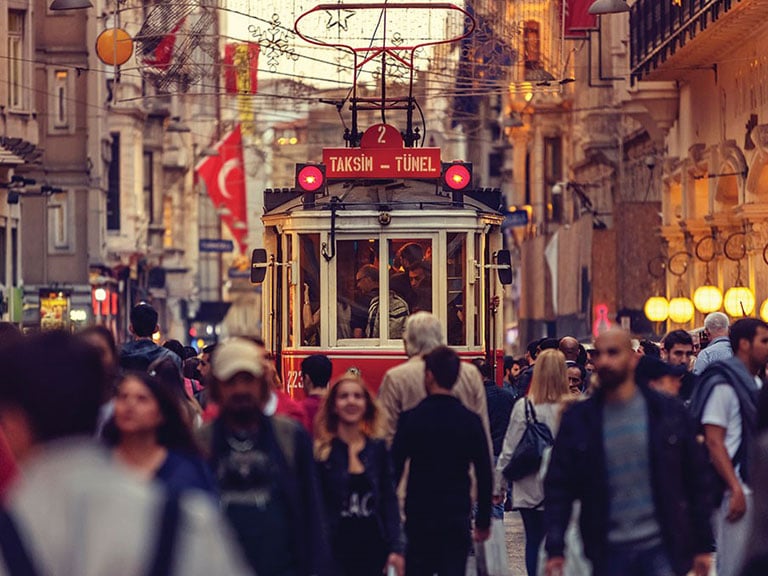
Istanbul
Turkey’s largest city is one of the world’s most visited destinations. Historic attractions such as the Blue Mosque, Hagia Sophia, Grand Bazaar, and Bosphorus waterfront welcome millions of visitors annually. Standard urban travel precautions are generally sufficient for most travelers.

Cappadocia
Known for its extraordinary landscapes, cave hotels, and hot-air balloon experiences, Cappadocia is widely regarded as one of Turkey’s safest tourism regions. Visitors can comfortably enjoy guided tours, hiking routes, and cultural attractions throughout the area.
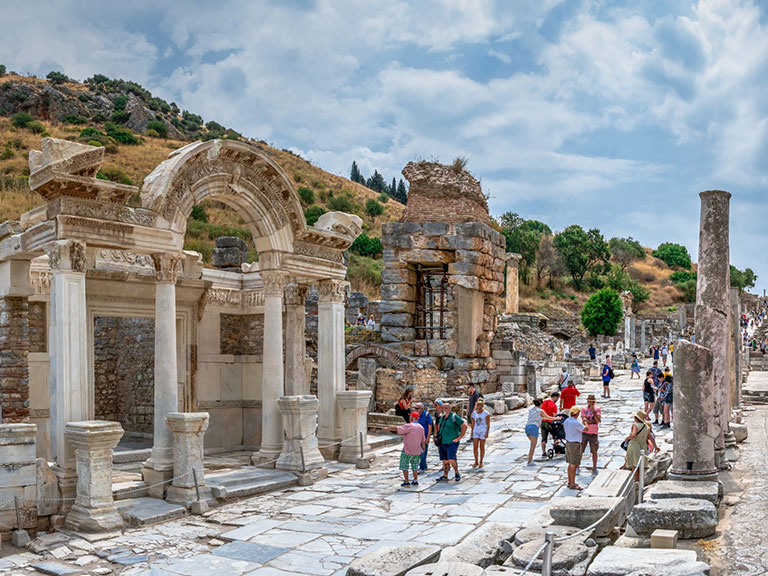
Ephesus, Pamukkale & the Aegean Coast
Ephesus, Pamukkale, Kusadasi, Bodrum, and Izmir continue to be among Turkey’s most popular destinations. These regions are well-established tourism hubs with extensive infrastructure for international visitors.
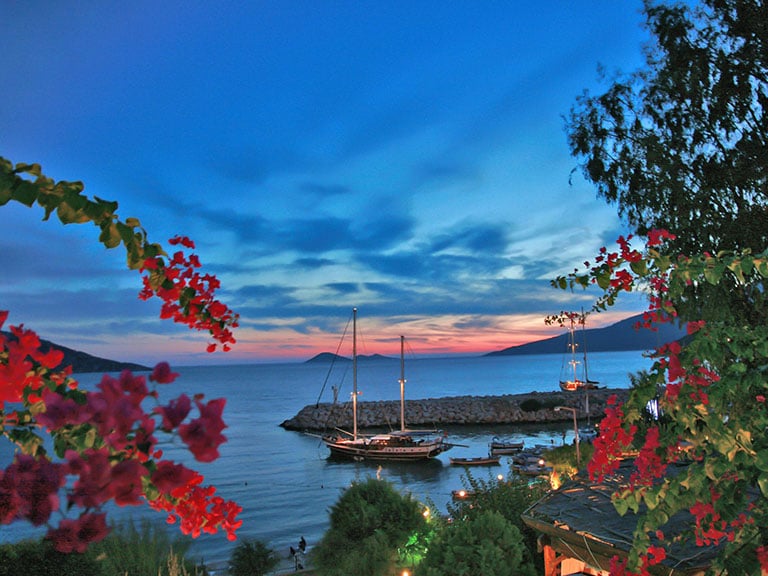
Antalya & the Mediterranean Coast
Antalya, Fethiye, Kas, and other Mediterranean resorts remain popular choices for families, couples, and independent travelers seeking beaches, history, and outdoor activities.
Is Turkey Safe for Solo Female Travelers?
Yes. Thousands of solo female travelers visit Turkey every year without problems. As with any destination, common-sense precautions are recommended, including staying in reputable accommodations, using trusted transportation services, and avoiding isolated areas late at night.
Tourist areas such as Istanbul, Cappadocia, Antalya, and the Aegean Coast are accustomed to welcoming international visitors and offer a comfortable travel experience for solo travelers.
Is Turkey Safe for Families?
Yes. Turkey is a family-friendly destination with modern hotels, resorts, transportation networks, and tourist facilities. Popular destinations such as Istanbul, Cappadocia, Antalya, and the Aegean Coast welcome families from around the world throughout the year.
Is Turkey Safe Compared to Other Mediterranean Destinations?
Turkey faces many of the same travel considerations as other popular Mediterranean countries. Most visitors experience a safe and enjoyable trip by following normal travel precautions and staying informed through official travel advisories.
Is Turkey Affected by Middle East Conflicts?
Although Turkey is located at the crossroads of Europe and Asia, the country’s major tourism regions are far from active conflict zones. Popular destinations such as Istanbul, Cappadocia, Ephesus, Pamukkale, Antalya, Bodrum, and Fethiye continue to operate normally and remain among the most visited places in the Mediterranean.
Turkey Travel Safety Tips
Check Recommendations with Your Home Country’s Embassy
Before traveling to Turkey, it is always a good idea to review the latest travel advice issued by your country’s embassy or foreign affairs department. Travel advisories can provide useful information about local conditions, entry requirements, transportation updates, and regional developments. Travelers can also review the latest official guidance from the U.S. Department of State’s Turkey Travel Advisory or their own country’s foreign affairs website before departure. While Turkey’s major tourism destinations continue to operate normally, staying informed before and during your trip is a sensible travel practice.
Learn Safety Tips for Tourists
Turkey is a welcoming destination visited by millions of travelers each year. Most visitors enjoy a safe and trouble-free trip by following the same common-sense precautions they would use in any popular tourist destination. Being aware of your surroundings, protecting valuables, and using reputable transportation services can help ensure a smooth travel experience.
Demonstrations
Political demonstrations and public gatherings occasionally take place in major cities. Most are peaceful, but travelers should avoid large crowds and follow local authorities’ instructions if demonstrations occur nearby.
Border Areas
Most international travel advisories focus on limited areas near Turkey’s borders with Syria and Iraq. These regions are far from Turkey’s main tourist destinations and are not part of standard travel itineraries.
Purchase a Local SIM Card
A local SIM card can be helpful for navigation, transportation apps, communication, and accessing travel information while exploring Turkey. Major providers offer reliable coverage throughout most tourist regions.
Self-Exploring Turkey
Many travelers choose to explore Turkey independently using domestic flights, buses, rental cars, and public transportation. Turkey has a well-developed tourism infrastructure, making it relatively easy to travel between major destinations. Planning routes in advance and using reputable transportation providers can help ensure a comfortable journey.
Taxis
Licensed taxis are widely available throughout Turkey. When using a taxi, ensure the meter is running or agree on a fare beforehand if appropriate. Ride-hailing and private transfer services are also available in many destinations.
Pickpockets
As in most major tourist destinations, pickpocketing can occur in crowded places such as markets, public transportation, and busy attractions. Keep valuables secure, avoid carrying large amounts of cash, and remain aware of your surroundings in crowded areas.
Food and Drink
Turkey is famous for its cuisine and hospitality. Restaurants, cafés, and food establishments in tourist areas generally maintain good standards. Visitors with sensitive stomachs may prefer bottled water and should choose busy, well-reviewed restaurants when trying local specialties.
Book with a Reputable Tour Company
Whether you are visiting Istanbul, Cappadocia, Ephesus, Pamukkale, or the Mediterranean Coast, booking with an established and reputable tour operator can help make your trip more convenient and enjoyable. Professional guides, licensed transportation, and local expertise can enhance both safety and the overall travel experience.
Travel to Turkey with Confidence
Turkey offers an exceptional combination of history, culture, natural beauty, cuisine, and hospitality. From the vibrant streets of Istanbul to the valleys of Cappadocia and the beaches of the Mediterranean, the country continues to provide a safe and rewarding travel experience for millions of visitors every year.
For most travelers, Turkey remains a welcoming, enjoyable, and safe destination in 2026.
Whether you are planning a Cappadocia tour, an Istanbul city break, a private Turkey tour, or a Mediterranean holiday, Turkey continues to be one of the safest and most rewarding destinations in the region.