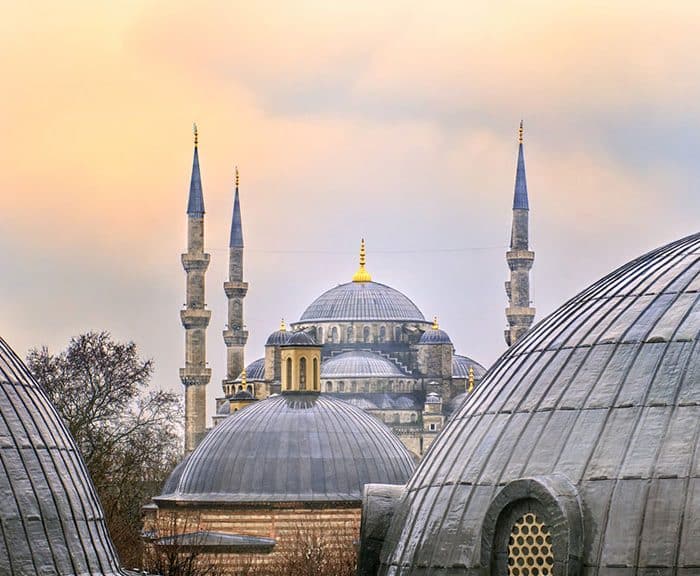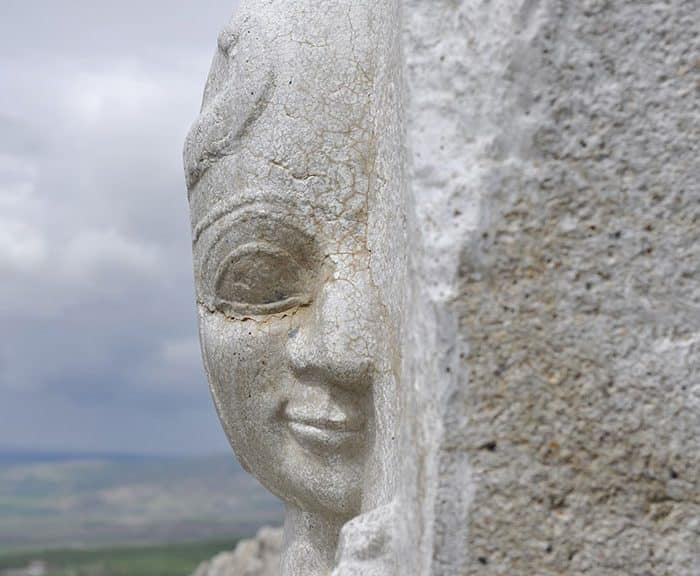
Best Time to Visit
April–May
September–October
Suggested Duration
2–3 Days
Nearest Airport
Mardin Airport (MQM)
Where to Stay
Old town
Mardin rises along a limestone ridge above the Mesopotamian plain, its south-facing Old Town built in warm stone that changes color through the day. Artuqid mosques and madrasas, Syriac churches, courtyard houses and working bazaars occupy the same steep urban fabric.
The city is memorable for its skyline, but the reward lies at street level. Narrow lanes reveal carved doorways, shaded passages, workshops and terraces that cannot be appreciated from a panoramic stop. A vehicle can cover the road sections, but the Old Town itself still requires walking.
Allow at least two days for the city, Deyrul Zafaran and Dara. A third day makes room for Midyat and the monasteries of Tur Abdin, with enough time to treat them as more than brief roadside stops.

Planning a trip to Mardin soon? Answer this trip planner and get your FREE quotation within 24 hours.
Mardin has a long history, although the Old Town seen today is primarily medieval and later in character. Its position above the plain gave it strategic value, and the city passed through Roman, Byzantine and regional Islamic rule before becoming a major Artuqid center in the twelfth century.
Artuqid patronage shaped much of the city’s architectural identity. Ulu Cami and the madrasas use local limestone, courtyards, vaults and carved portals in ways adapted to the steep hillside. Later dynasties added further religious, civic and domestic buildings to the city.
Syriac Christian institutions also form a central part of the city’s history. Churches in the Old Town and Deyrul Zafaran outside it connect the city with the wider Tur Abdin region. The origin of the name Mardin remains disputed, with several derivations proposed.
Mardin Prof. Dr. Aziz Sancar Airport (MQM) serves the region from the Kızıltepe side of the province. Direct flights from Istanbul are often the simplest option, but routes and frequencies change. Check the live schedule before arranging the airport transfer and confirm where the chosen Old Town hotel can receive guests and luggage.
The Old Town is steep, and many lanes are unsuitable for normal vehicle access. A hotel within the historic area offers atmosphere and easy evening walks, though guests with limited mobility should check the exact approach, stairs and luggage arrangements. A driver remains useful for Deyrul Zafaran, Dara, Midyat and Tur Abdin.
Two nights provide a sensible minimum. One rushed day may cover the principal monuments, but it leaves little room for the bazaar, changing light and slower visits to active religious sites. Three nights allow a separate day for Midyat and Tur Abdin while keeping Mardin as the base.
April, May, late September and October usually offer the easiest conditions for walking. These months generally avoid the strongest summer heat and the shorter daylight of winter. Religious observances may affect visitor access at active churches and monasteries.
Summer heat makes route order important. Explore the Old Town early, use the middle of the day for lunch or a transfer, and return when the stone streets begin to cool. Winter is quieter, with shorter daylight and occasional weather disruption that can make a multi-stop rural day less predictable.
Mardin’s cuisine draws on Arab, Kurdish, Syriac and wider southeastern Anatolian traditions. Look for ikbebet or stuffed kibbeh, sembusek, stuffed ribs, alluciye and dishes combining meat, bulgur, herbs, almonds or tart fruit. Labor-intensive specialties may require advance ordering.
Mırra is a concentrated regional coffee preparation rather than another name for standard Turkish coffee. Almond candy, regional breads and local Syriac wine add further context. Make room for one properly selected meal instead of treating lunch as a gap between monuments.
Comfortable shoes with good grip matter on polished stone, stairs and uneven lanes. Let the vehicle manage the steepest approaches when possible, especially for multigenerational groups. Summer visits also require water, sun protection and a lighter middle of the day.
Mosques, churches and monasteries are active places of worship. Dress modestly, keep voices low and ask before photographing people or services. Visitor access can shift around worship, community life and restoration work, so a fixed timetable copied months in advance is unreliable.
Official travel advice for southeastern Türkiye can change, particularly for routes continuing toward the Syrian border. Review the guidance issued for your nationality shortly before departure and follow current local instructions.


Mardin Old Town is arranged across a steep south-facing slope, with terraces and flat roofs stepping above one another. A practical first walk links the main street with the bazaar lanes, Ulu Cami and selected viewpoints, allowing the city’s structure to become clear before individual monuments take over the day.
Vehicle access solves only part of the challenge. Drop-off points can reduce climbing, yet the lanes themselves demand time on foot. Early morning offers cooler walking conditions; late afternoon brings warmer light across the stone. In summer, keep the middle of the day lighter.
Mardin Ulu Cami is the city’s principal historic mosque and an essential Artuqid reference point. Its single surviving minaret rises through the Old Town skyline, while the courtyard and prayer hall reward a closer look at proportion and stonework. Visit respectfully around prayer times.
Zinciriye Madrasa sits higher on the slope and combines carved stone, courtyards, and broad views across the plain. Kasımiye Madrasa lies outside the tightest part of the historic core. Pairing them without route planning creates unnecessary climbing and transfers; the sequence should follow the hotel location, heat, and group mobility.
Deyrul Zafaran stands outside the Old Town and remains an important center of the Syriac Orthodox Church and the residence of the Metropolitan of Mardin. Its chapels, courtyards, burial spaces, and carefully cut stone record centuries of religious use and architectural change.
The monastery is close enough to tempt a rushed visit. That is a mistake. Allow time for the visitor sequence and remember that this remains a religious institution. Access and photography rules should be confirmed on the day, especially around services or community events.
About 30 kilometers southeast of Mardin, Dara was established in 505 as an Eastern Roman frontier garrison under Emperor Anastasius. Its walls, rock-cut necropolis, cisterns, and water-management remains reveal a scale that is easy to underestimate from photographs.
Dara should not be squeezed into the final hour of a city tour. The drive, exposed terrain, and size of the remains justify a separate half-day. Opening arrangements and accessible areas may change due to excavation and conservation work, so confirm current conditions before departure.
A longer regional itinerary can continue from Mardin to Midyat, Mor Gabriel and selected villages of Tur Abdin. Deyrul Zafaran introduces the Syriac history of the region, while the journey farther east reveals its churches, monasteries and living communities across a wider landscape.
Travelers with only two days should avoid forcing the entire circuit into one afternoon. With a third day, give Midyat and Mor Gabriel adequate time, then add a village church only when access and the route justify it. Confirm visiting conditions at active religious sites when the itinerary is finalized.
The city is especially rewarding for travelers interested in architecture, religious history, and food. It can also connect Sanliurfa with Midyat, Hasankeyf, or the upper Tigris, provided the next stop follows the wider route.
The city is less suitable as a hurried photo stop. Steep streets, layered monuments and excursions outside the Old Town all need time. Two carefully paced days offer more value than a longer checklist completed from a vehicle.
The Mardin Cultural Landscape has appeared on Türkiye’s UNESCO Tentative List since 2000. The Old Town is therefore not a UNESCO World Heritage Site. Tentative status recognizes a property under consideration and must remain distinct from formal inscription.
Selected churches and monasteries of Tur Abdin have a separate Tentative List entry dating from 2021. Both are tentative entries rather than World Heritage inscriptions.
In Mardin, a hotel’s location matters as much as its character. Many Old Town properties are set back along stepped lanes that vehicles cannot reach, so confirm the luggage drop-off point and the walk to reception before booking. A driver familiar with the Old Town can reduce unnecessary climbing and repeated crossings of the hillside.
Families and multigenerational groups will usually enjoy the city more with fewer monument visits, an unhurried lunch and time in the bazaar. Deyrul Zafaran fits naturally into a Mardin day, while Dara needs a longer excursion. Tur Abdin deserves separate time rather than being compressed into the end of an already full itinerary.
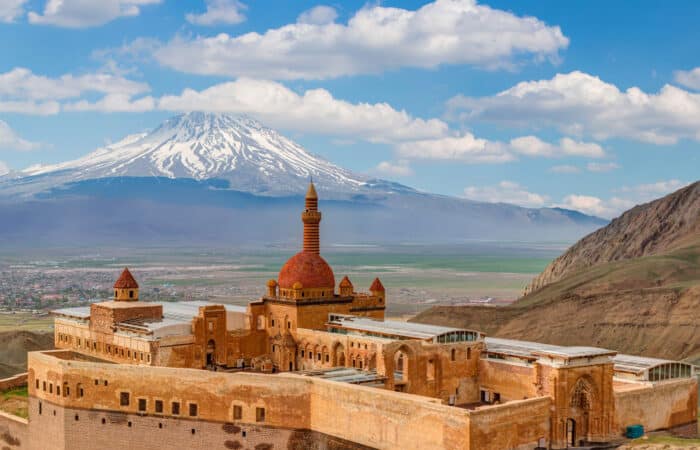
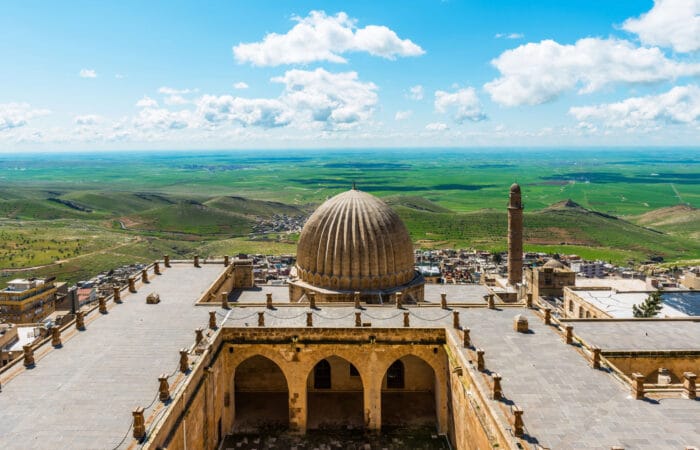
Karahantepe is the strongest addition for travelers focused on the Neolithic, provided current visitor access has been confirmed. Give it a separate road and site time. Harran fits a broader Sanliurfa day, while Mardin allows the journey to continue east without retracing the same route.
Mount Nemrut requires its own route plan. The drive from Sanliurfa, mountain access, daylight, and seasonal conditions make it a substantial day rather than a nearby extension.